By Adam Nash, 911Reviews
Samsung appears to be rethinking its foldable phone strategy for its latest generation. Rather than attempting to create one Galaxy Fold that appeals to everyone, the company is reportedly dividing the lineup into two distinctly different devices: the wider Galaxy Z Fold 8 and the taller, productivity-focused Galaxy Z Fold 8 Ultra.
After reviewing the new lineup, I believe Samsung’s strategy makes sense—but neither foldable feels like the unquestionable upgrade many buyers may have been expecting. Surprisingly, the most compelling products in Samsung’s latest ecosystem may actually be the Galaxy Watch 9 and Galaxy Watch Ultra 2.
Galaxy Z Fold 8 Targets Entertainment Fans
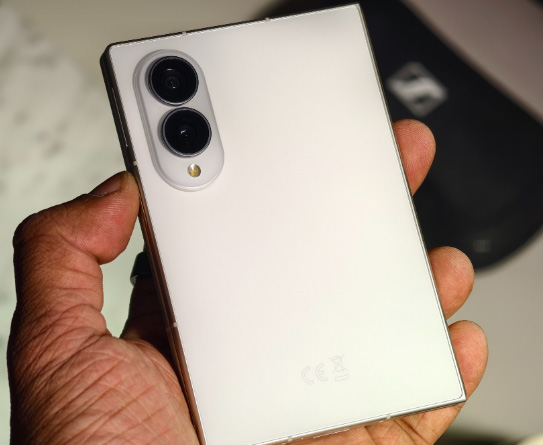
The standard Galaxy Z Fold 8 introduces a shorter and wider design aimed primarily at people who use a foldable phone for movies, games and other forms of entertainment.
Its cover display has an almost square shape, which can make traditional smartphone apps feel awkward. Apps such as TikTok may not be properly optimized for the unusual proportions, and reaching across the wider display can also be uncomfortable.
However, opening the phone reveals the real purpose of Samsung’s new design. The 7.6-inch internal display reportedly uses a more tablet-like 4:3 aspect ratio, offering a significantly more natural experience for videos, gaming and browsing. Samsung essentially sacrificed some cover-screen practicality to create a better interior display.
The internal screen is said to be Samsung’s brightest and highest-resolution foldable display yet, with approximately 15% greater pixel density than the previous generation. It also receives the anti-reflective coating previously seen on Samsung’s premium Galaxy S devices.
Samsung has reportedly made the phone easier to unfold by adding a slightly larger opening between the two sides and using additional magnets that help push the device apart. It is a subtle improvement, but one that could make a noticeable difference when opening the phone dozens of times each day.
A Lower Price Comes With Major Compromises
The Galaxy Z Fold 8 is expected to launch for approximately $1,900, which would make it $100 less expensive than the previous Fold model.
Unfortunately, the lower price also comes with several compromises.
The device is slightly smaller than the Galaxy Z Fold 7 and reportedly measures 4.5 millimeters thick when unfolded, compared with 4.2 millimeters for its predecessor. The phone also eliminates the dedicated telephoto camera.
Samsung has upgraded the ultrawide camera from 12 megapixels to 50 megapixels, but the primary camera has reportedly been reduced from a 200-megapixel sensor to a 50-megapixel sensor. That makes the camera system feel more like a rearrangement than a straightforward improvement.
Performance should still receive an estimated 20% boost from the latest Snapdragon 8 Elite Gen 5 processor. Battery capacity increases from 4,400 mAh to 4,800 mAh, while wired charging improves from 25 watts to 45 watts. Wireless charging reportedly increases from 15 watts to 20 watts.
Those are welcome upgrades, but they are also relatively conservative. At $1,900, the Galaxy Z Fold 8 remains difficult to justify when buyers could purchase a premium traditional smartphone and a separate tablet for approximately the same total price.
Galaxy Z Fold 8 Ultra Focuses on Productivity
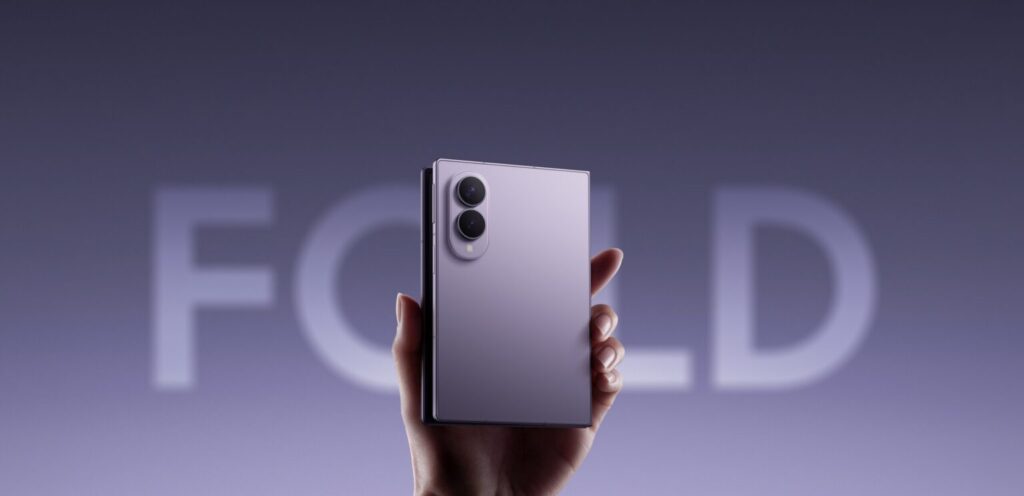
While the standard Fold 8 emphasizes entertainment, the Galaxy Z Fold 8 Ultra is designed for users who want to run multiple applications and treat their phone like a miniature workstation.
The taller internal display can effectively show two full-sized smartphone applications side by side. This makes the Ultra model better suited for email, documents, calendars, research and multitasking.
Its 8-inch interior display includes the same brightness, resolution and anti-reflective improvements as the standard Fold 8. The Ultra also measures just 4.1 millimeters thick when unfolded, making it Samsung’s thinnest foldable phone to date.
More impressively, Samsung reportedly achieved that thinner body while installing a larger 5,000 mAh battery.
The Fold 8 series is also expected to introduce silicon-carbon battery technology, which allows manufacturers to store more energy without dramatically increasing battery size. Samsung is reportedly using extremely thin titanium layers behind the OLED display to strengthen the screen, reduce thickness and make the center crease less visible.
The crease is still present, but it appears less noticeable than before.
Despite the engineering improvements, I am not convinced the phone does enough to justify Samsung’s new “Ultra” branding. The Fold 8 Ultra is expected to cost approximately $2,100, yet many of its improvements resemble the standard year-over-year refinements Samsung has traditionally introduced.
AI Features Remain Inconsistent
Samsung continues to expand its collection of artificial intelligence features, although some appear more useful than others.
The updated Now Nudge feature is designed to understand messages and automatically suggest relevant actions. For example, it may provide a shortcut to open the calendar when someone discusses meeting plans or display a Google Maps button when a location is mentioned.
In controlled demonstrations, the feature sounds promising. In more realistic conversations, however, it reportedly remains inconsistent and often fails to recognize useful information.
A more impressive feature is Fan Cam, which allows users to select a person inside an existing video. The software then tracks that individual and automatically adjusts the crop as the person moves closer or farther away.
Samsung is also integrating Gemini-powered tools capable of transforming photos, voice recordings and written notes into summaries, meeting notes and infographics.
These tools demonstrate the potential of AI on foldable devices, but the Fold 8 Ultra still feels more like a refined productivity phone than a revolutionary new category.
Galaxy Z Flip 8 Receives a Practical Redesign
The Galaxy Z Flip 8 is reportedly thinner, lighter and easier to open than the previous generation. When unfolded, thickness drops from approximately 6.5 millimeters to 6.1 millimeters.
Samsung also claims that the frame is 10% more durable.
The biggest change involves the external Flex Window. The cover display now includes a dedicated home screen and can perform many of the same tasks available when the phone is unfolded.
That added functionality will be useful for many owners, although it could also remove one of the Flip’s biggest lifestyle advantages. Previous Flip phones created intentional friction: users could check the time or notifications without immediately opening every application. Making nearly everything accessible from the cover display could make the phone more convenient, but also more distracting.
Samsung’s customizable Now Brief widgets appear particularly useful. Owners can combine information such as weather forecasts, pollen levels, UV index, step counts, sleep scores and nutrition data directly on the exterior home screen.
Galaxy Watch 9 and Watch Ultra 2 May Be the Real Winners
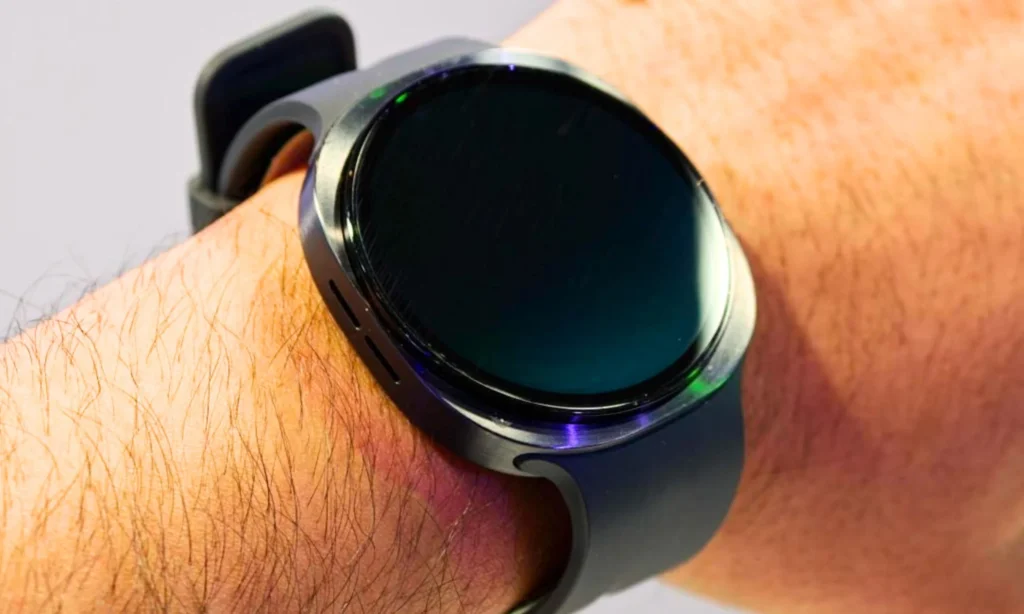
The Galaxy Watch 9 may be the most improved product in Samsung’s new lineup.
Samsung has reportedly reduced the weight of the watch band by 25% using internal air pockets. Battery capacity increases by approximately 20%, while the Snapdragon Wear Elite processor dramatically improves performance and application loading times.
The Galaxy Watch Ultra 2 takes those upgrades even further. Its body is reportedly 12% thinner than the previous Ultra, while battery capacity increases by 35%. Samsung claims the larger battery will provide true multi-day endurance.
The display is also expected to reach an extraordinary 5,000 nits of brightness, potentially making it the brightest smartwatch display available. That level of brightness may be unnecessary for everyday indoor use, but it could be valuable during outdoor activities and extreme conditions.
Samsung is also introducing a redesigned health experience. A new Vitals feature spends approximately one week learning the wearer’s normal heart rate, skin temperature and other baseline measurements. It can then identify unusual changes that may indicate illness or physical stress.
The new Heart Health Score combines multiple measurements into a simplified overview, while the Fitness Index compares the wearer’s performance with other people in a similar age group.
Gemini can also be activated without a wake phrase. Users simply raise the watch toward their mouth and begin speaking. The watch is reportedly capable of distinguishing between someone checking the time and someone attempting to issue a voice command.
Adam Nash’s Verdict

Samsung’s decision to create two Galaxy Fold models is understandable. Some foldable buyers want a portable entertainment display, while others want a productivity device capable of replacing a small tablet.
The standard Galaxy Z Fold 8 offers a better interior screen for movies and games, but its awkward cover display, missing telephoto camera and $1,900 price make it a difficult recommendation.
The Galaxy Z Fold 8 Ultra delivers impressive engineering, a larger battery and a thinner body, but its $2,100 price feels excessive for what is ultimately a familiar collection of annual improvements.
The Galaxy Z Flip 8 provides a cleaner and more capable exterior display, although its expanded functionality may reduce the intentional simplicity that made earlier Flip phones appealing.
The biggest surprise is Samsung’s smartwatch lineup. Better performance, significantly larger batteries, improved health monitoring and more natural voice controls could make the Galaxy Watch 9 and Galaxy Watch Ultra 2 the most meaningful upgrades Samsung introduces this generation.
The phones are interesting, but the watches may be the products Samsung buyers should pay the closest attention to.